
CAMERA GUIDE
CAMERA GUIDE
At Focus Bounce, our camera recommendations are based on practicality, ease of use and suitability for a dental environment rather than brand loyalty. While Sony, Nikon and Canon all produce excellent cameras, we often suggest Canon because many dentists find its interface more intuitive and its ergonomics more comfortable for everyday use. Its autofocus performs reliably at close distances, making it well suited to detailed macro photography. Our recommendation is not about one brand being superior, but about choosing a system that feels straightforward, consistent and easy to integrate into a dental photography workflow.

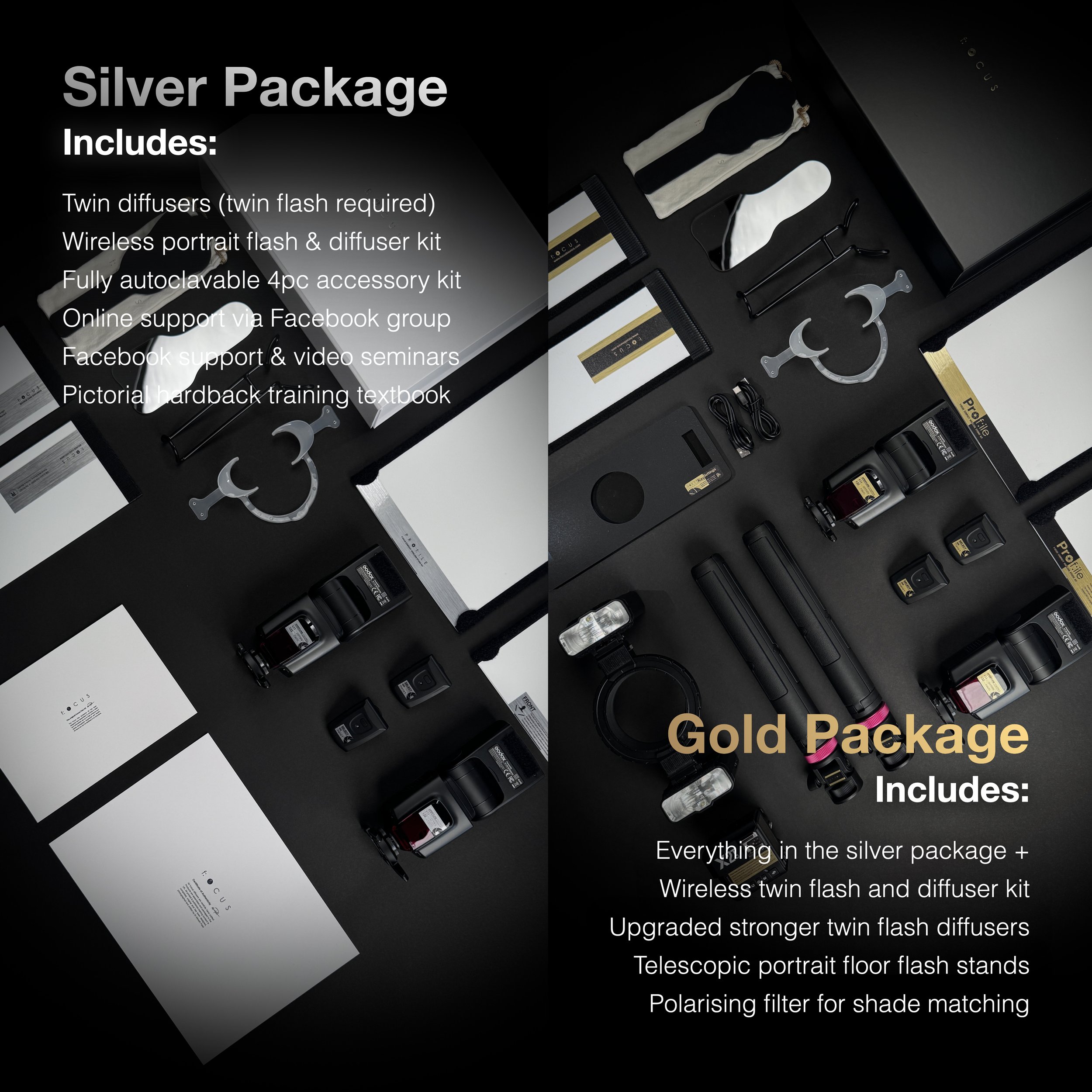
To attend the f:ocus course, a 1:1 macro lens and an interchangeable-lens camera body are essential. On this page, you’ll find our recommended f:ocus Formula combinations, although these are not mandatory. A twin flash lighting system is also required for intraoral photography. If you do not own one, we recommend selecting the Gold Package, which includes the f:ocus wireless twin flash kit at a reduced bundle price. Please note, the portrait flashes included in the Silver and Gold course packages are not twin flashes; they are designed for portrait and product photography only.
What is the f:ocus Formula?
The f:ocus Formula represents our recommended camera body and macro lens combinations. These setups are selected for balance, comfort and ease of use, while allowing a practical working distance and consistent lighting performance when paired with a twin flash and diffusers.
Any APS-C crop sensor body + any 60–85mm 1:1 macro lens
Any full-frame body + any 90–105mm 1:1 macro lens
Buying from scratch?
If you’re starting from scratch, we recommend choosing one of our suggested mirrorless body and lens combinations based on your budget and brand preference. Mirrorless bodies are compatible with existing macro lenses using an adapter (sold separately).
Where should you buy?
You can purchase directly from the manufacturer’s website. For competitive pricing, a quick online search may highlight authorised retailers offering better value. If buying from a third-party seller, we recommend checking independent reviews for reassurance.
Buying pre-owned?
Reputable pre-owned platforms can be a great option for sourcing high-quality equipment. Many discontinued macro lenses are only available on the pre-owned market, and trade-in options can help offset the cost of upgrading.
Canon, Nikon or Sony?
All recommended systems deliver excellent image quality. If you are completely new to photography, we often suggest Canon due to its intuitive interface, lightweight ergonomics and ease of setup. However, Nikon and Sony systems also perform extremely well. Ultimately, choose the system that feels most comfortable and aligns with your budget and preferences.
You will need a twin flash
The f:ocus diffusers are designed to be used with a twin flash for intraoral photography. If you do not already own a compatible twin flash system, we recommend selecting the Gold Kit when booking the hands-on course to ensure you have a complete and compatible lighting setup.

F:OCUS TOP 4 RECOMMENDATIONS
The f:ocus recommended setup combinations
1. Canon R8 (£2000+ Including lens)
Any 90-100mm macro lens + EF-EOS R mount adapter + EG-E1 extension grip
WHY: Razor sharp images, easy to use, comfortable deep grip
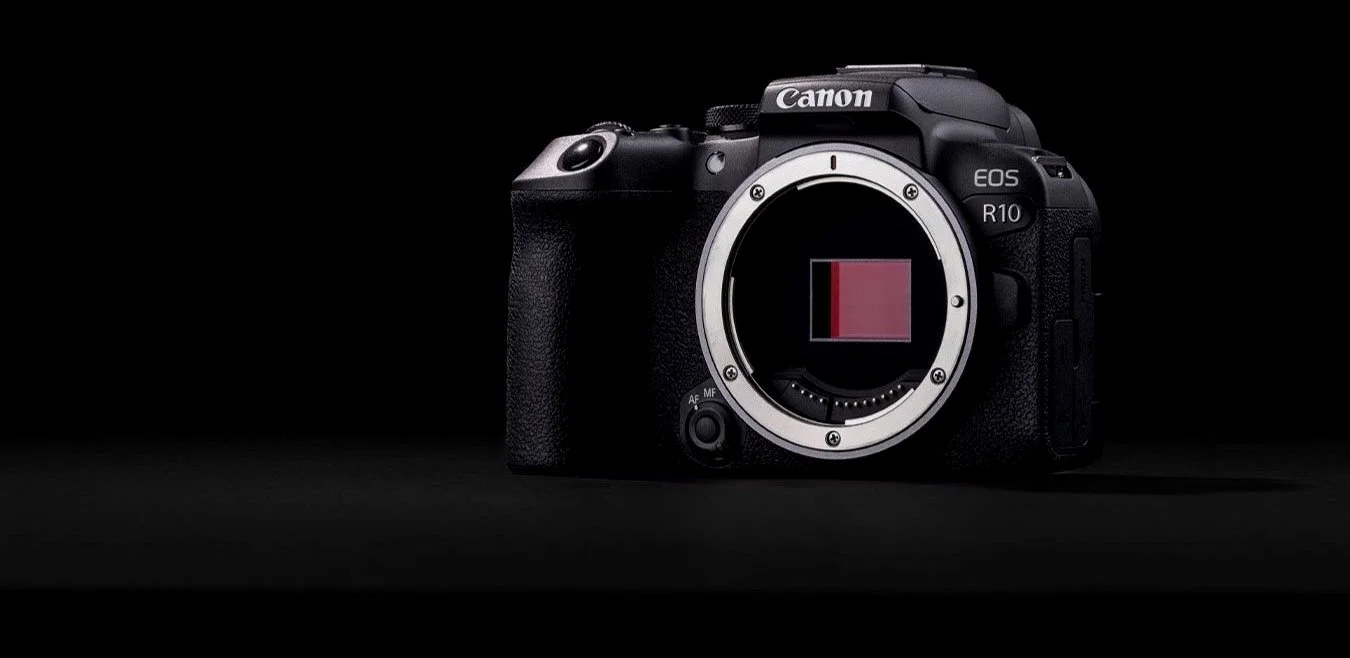
2. Canon R10/R8 (<£1500 Including lens)
Canon EFS 60mm F2.8 macro lens + EF-EOS R mount adapter
WHY: Ultra light, sharp, easy to use, well priced, best for most
3. Sony A7Ci/ii (£2500+ Including lens)
+ Sony FE 90mm F2.8 Macro G OSS + GP-X2 grip extender
WHY: Best option for those seeking a Sony setup only
4. Nikon Z5/Z8(£2300+ Including lens)
+ Nikkor Z MC 105mm f/2.8 VR S (No adapter needed)
or any other Nikon 90-105mm macro lens + FTZ mount adapter
WHY: Best option for those seeking a Nikon setup only
EXISTING EQUIPMENT?
Adapt yours to the f:ocus formula
If you already have a dental photography setup and would like to integrate it with the f:ocus system, you’ll need a macro lens that is compatible with your specific camera body type (APS-C crop sensor or full-frame 35mm sensor). To confirm which sensor type your camera uses, visit the manufacturer’s website and review your model specifications. Once confirmed, select a compatible lens from the list below that matches your camera system.
Upgrade the Lens or Camera Body?
If you’re unsure whether to upgrade your lens or camera body, here are some simple guidelines.
Older camera body with a 100mm macro lens:
If your camera body is significantly outdated but you already own a 100mm macro lens, upgrading to a newer full-frame camera body can be a practical option while continuing to use your existing lens.
Older lens with a crop sensor body or a heavy setup:
If you’re using an older macro lens on a crop sensor body, or if your current setup feels bulky, switching to a 60mm macro lens can provide a lighter, more balanced configuration. Please note that some 60mm lenses may only be available on the pre-owned market.
Compatibility reminder:
Always ensure your lens matches your camera manufacturer. For example, a Canon lens is not directly compatible with a Nikon camera body without specialist adapters.
For APS-C crop sensor cameras we advise:
Canon EFS 60mm F2.8 macro lens
Nikon 85mm F3.5 G ED AF-S VR DX Micro
For full frame 35mm cameras we advise:
Sony FE 90mm F2.8 Macro G OSS
Canon EF 100mm f/2.8L Macro IS USM
Canon EF 100mm F/2.8 USM
Canon Tamron SP 90mm F/2.8 Di 1:1 VCUSD
Canon Sigma 105mm 2014 model only
Nikon 105mm f/2.8 VR G Micro-NIKKOR
Nikon Tamron SP 90mm F/2.8 Di 1:1 VCUSD
Nikon Sigma 105mm 2014 model only
NOT recommended for dental photography:
Canon M series/1000d/1300d/2000d/3000d/4000d/250d